addressing low adherence to diet
Meal planning app
Function
UX/UI Designer
Year
2025
Project description
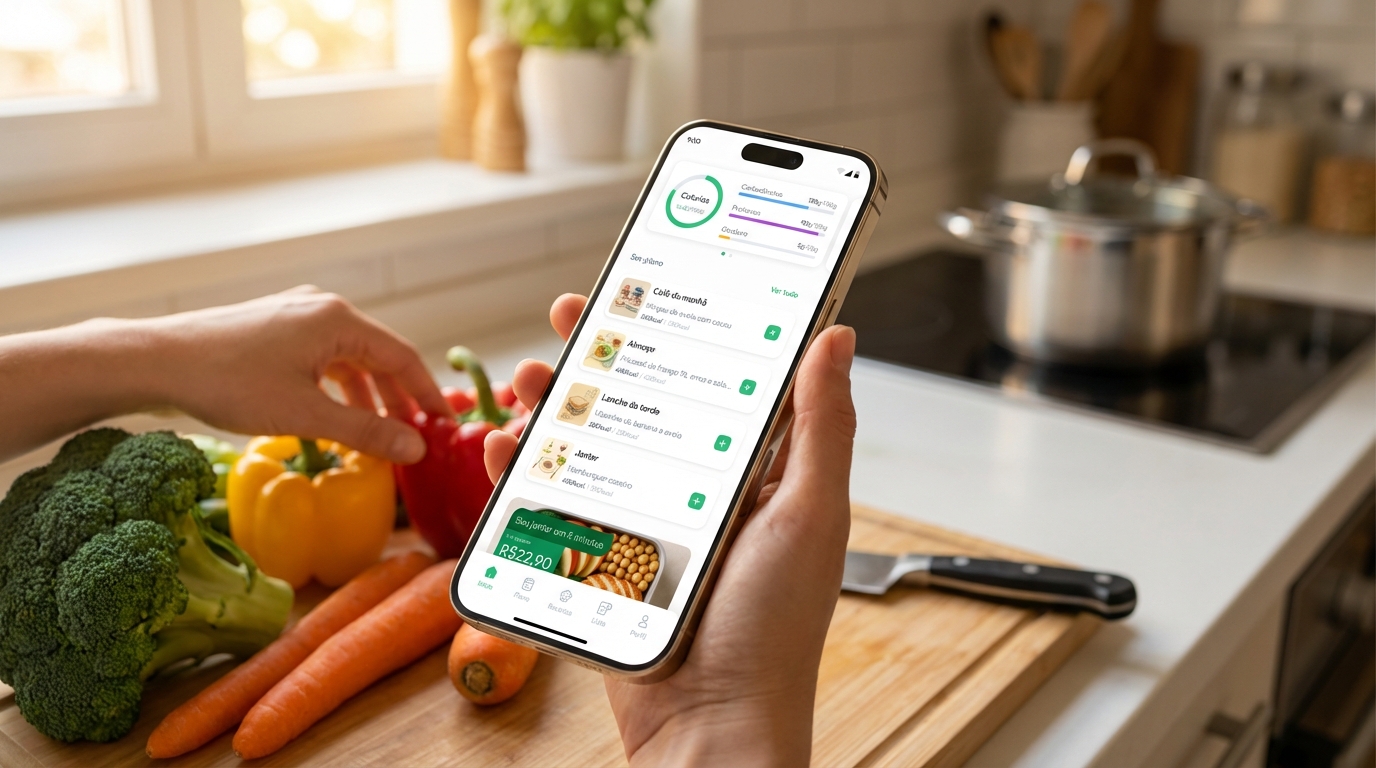
Nutrir.io is an intelligent meal planning app that turns plans into practice. The challenge was to address the low adherence to diets caused by disorganization, lack of variety, and disconnect between goals and routine. The designed solution combines weekly planning, AI-adapted recipes, automatic shopping lists, and nutritional tracking in a light and intuitive interface.
The problem
Most people abandon diets not due to lack of will, but because of execution difficulties in daily life. Meal plans tend to be rigid, not adaptable to the user's routine, preferences, and unexpected events. This leads to disorganization, monotony in meals, and decisions outside the plan, resulting in frustration and low adherence over time.
Process
Competitor Analysis and Benchmarking
Nutrition and meal planning apps that are already established in the market were analyzed to understand patterns, gaps, and experience opportunities. The analysis showed that most solutions prioritize calorie counting and tracking, with little attention to weekly organization, flexibility, and adaptation to the user's real routine. The benchmark served as a basis to avoid complex interfaces and reinforce the focus on clarity, practical execution, and proactive planning.
Pesquisa COM usuários
I qualitatively interviewed potential users and nutritionists to understand each one's pain points, validating some ideas and invalidating others. I noticed that the biggest pain points for the interviewees were the variety of foods and, primarily, the organization in their routine.
our user
People aged between 20 and 45 who want to maintain a healthy diet, whether for weight loss, muscle gain, or overall well-being, but face difficulties in consistently following a meal plan. They have busy routines, value practicality and flexibility, and get frustrated with rigid diets, complex apps, or those focused solely on calorie counting.

Ana Pereira


Age
29 years

Profession
Salesperson

Marital Status
Single

Location
São Paulo, SP
Rotina corrida
Saúde
perder peso
Pain Points:
- Abandons diets due to lack of time and planning
- Rigid and unrealistic meal plans
- Apps focused only on calories, without aiding execution
- Lack of variety leads to demotivation
Solution
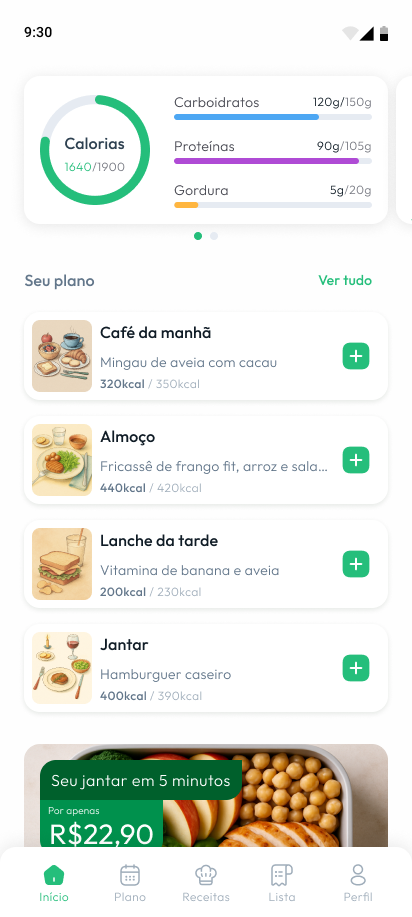
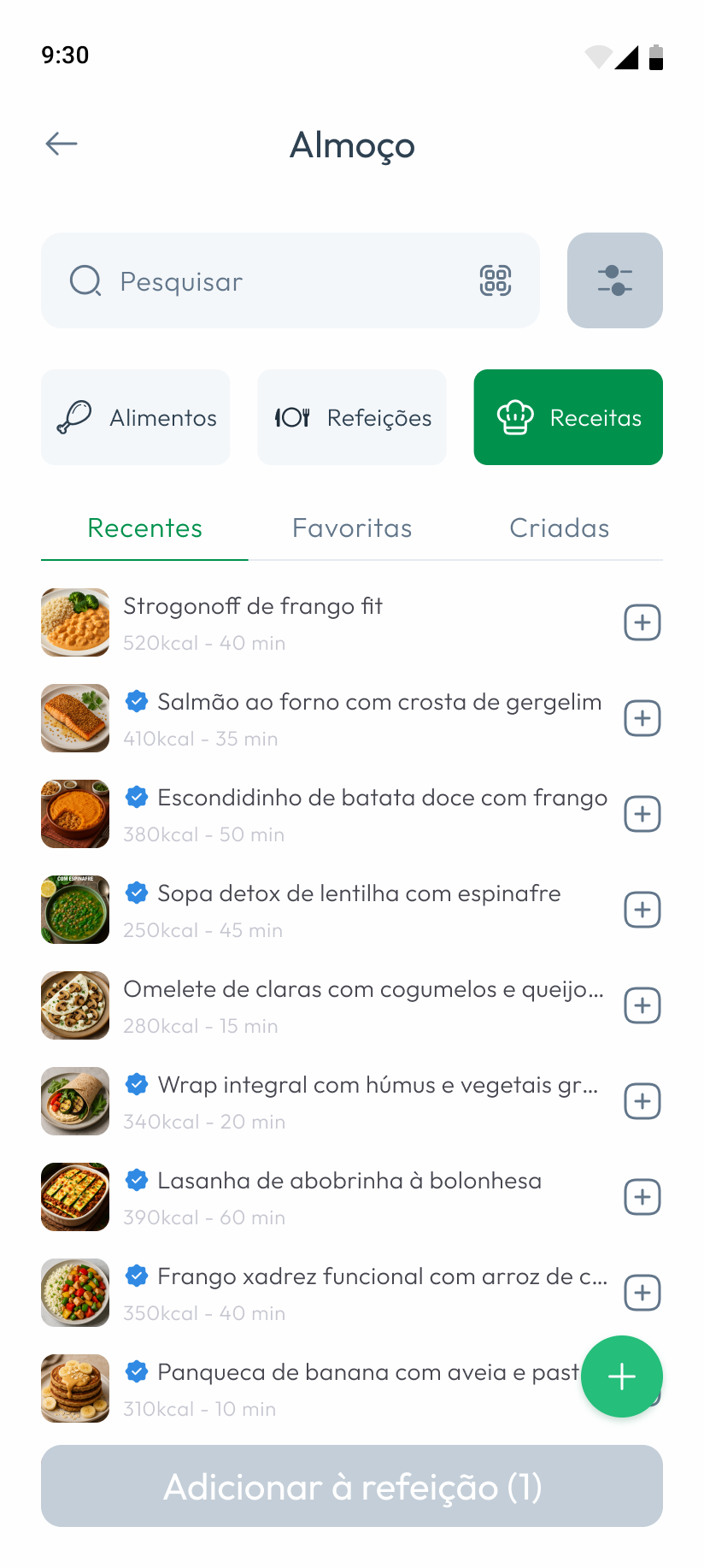
Nutrir.io was designed to support the daily execution of meal plans. The solution combines weekly planning, recipes adaptable to user goals, automatic shopping lists, and nutritional tracking in a simple and flexible experience.
The design focus was to reduce friction, eliminate unnecessary decisions, and provide clarity on what to eat, when, and how, respecting the user's real routine.
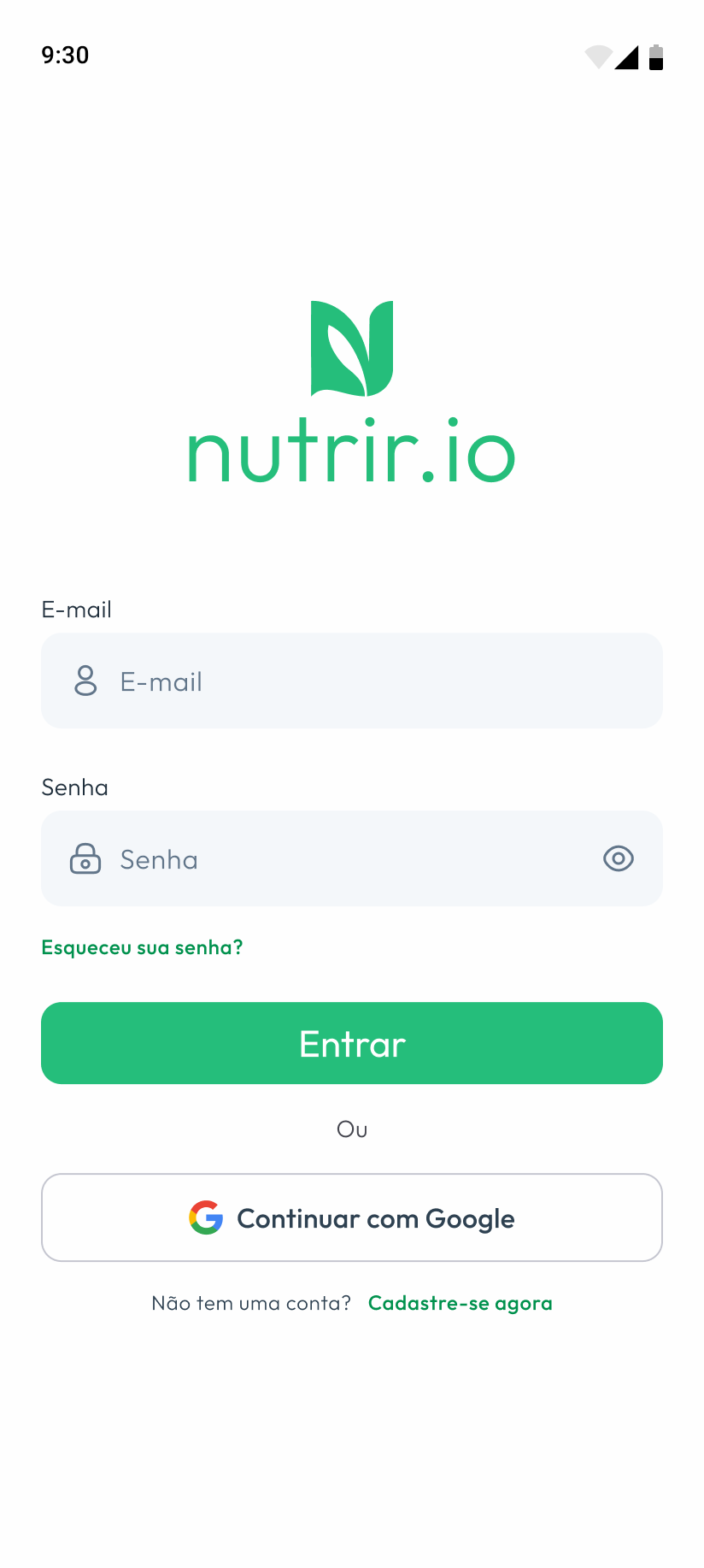
UX decisions were guided by the need for clarity and practical execution. The onboarding was designed to collect only essential information, avoiding initial friction. Weekly planning became the central axis of the experience, reducing daily cognitive load. Recipe adaptation prioritizes flexibility without breaking nutritional goals.
prototype
Style Guide
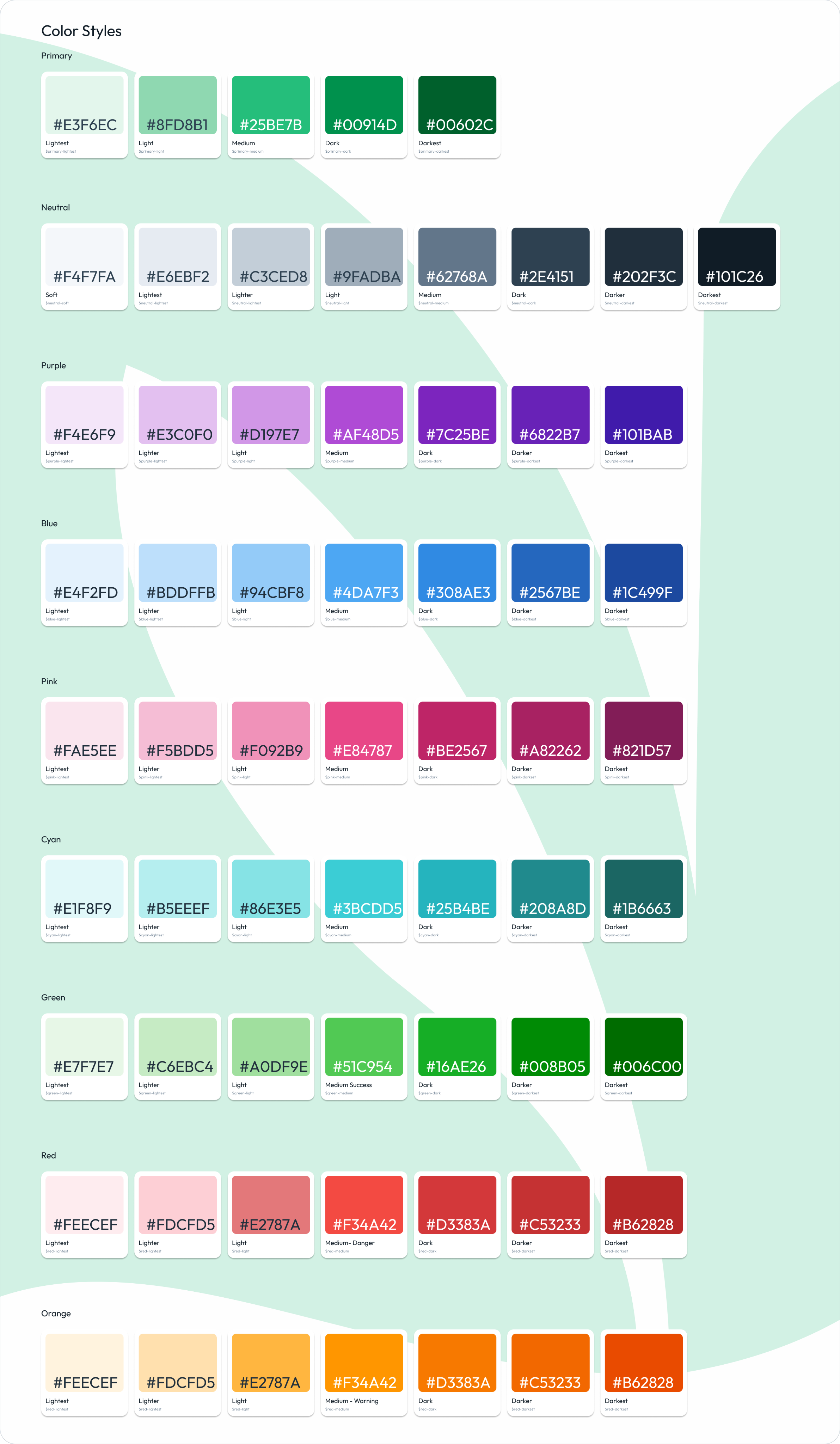
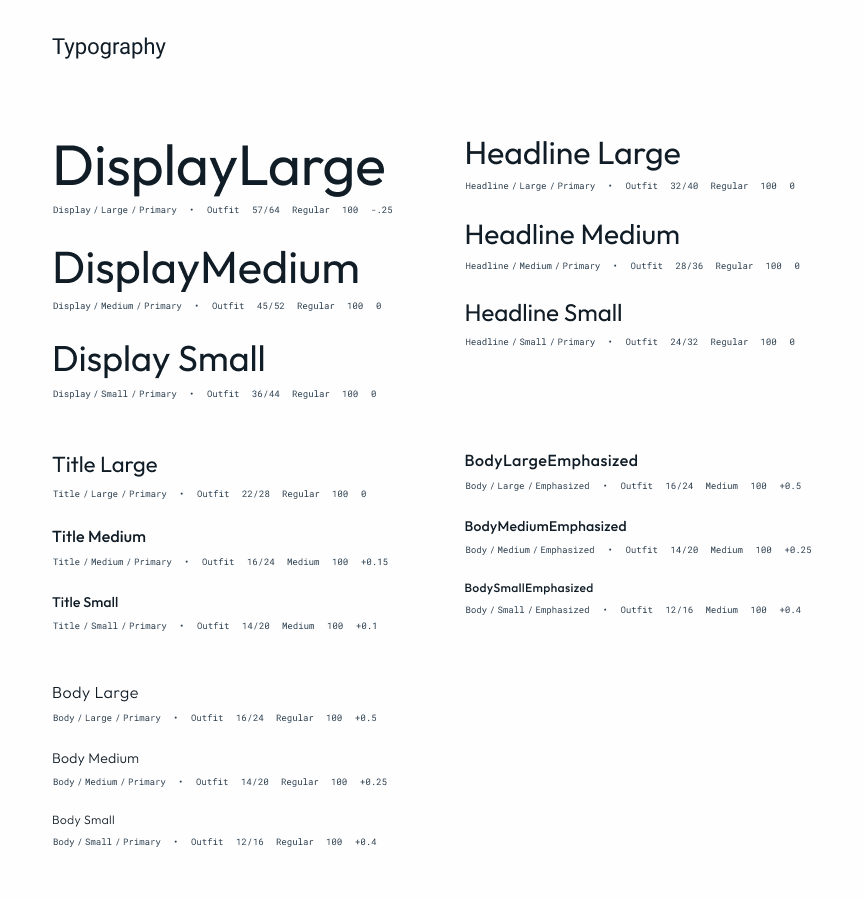
The style guide was created to convey lightness, clarity, and warmth. The color palette, typography, and visual elements reinforce a calm and trustworthy experience, avoiding any sense of pressure or rigidity common in diet apps. In addition to the emotional aspect, the guide plays a crucial role in standardizing the product, ensuring visual consistency, predictability of use, and scalability of design as new features are added to the app.
Conclusion
Concluir este estudo de caso foi transformador: aprimorei minha comunicação, aprendi a colaborar de forma mais eficiente e evoluí significativamente em minhas práticas de UX.
JULIO UX
Product Designer | UX/UI Designer
Navigation
Home
Contact
Case studies
Toll validation system
Jornada UX
Nutrir.io
Social media
© 2025 – Júlio Costa
addressing low adherence to diet
Meal planning app
Function
UX/UI Designer
Year
2025
Project description
Nutrir.io is an intelligent meal planning app that turns plans into practice. The challenge was to address the low adherence to diets caused by disorganization, lack of variety, and disconnect between goals and routine. The designed solution combines weekly planning, AI-adapted recipes, automatic shopping lists, and nutritional tracking in a light and intuitive interface.
The problem
Most people abandon diets not due to lack of will, but because of execution difficulties in daily life. Meal plans tend to be rigid, not adaptable to the user's routine, preferences, and unexpected events. This leads to disorganization, monotony in meals, and decisions outside the plan, resulting in frustration and low adherence over time.
Process
Competitor Analysis and Benchmarking
Nutrition and meal planning apps that are already established in the market were analyzed to understand patterns, gaps, and experience opportunities. The analysis showed that most solutions prioritize calorie counting and tracking, with little attention to weekly organization, flexibility, and adaptation to the user's real routine. The benchmark served as a basis to avoid complex interfaces and reinforce the focus on clarity, practical execution, and proactive planning.
User Research
I qualitatively interviewed potential users and nutritionists to understand each one's pain points, validating some ideas and invalidating others. I noticed that the biggest pain points for the interviewees were the variety of foods and, primarily, the organization in their routine.
our user
People aged between 20 and 45 who want to maintain a healthy diet, whether for weight loss, muscle gain, or overall well-being, but face difficulties in consistently following a meal plan. They have busy routines, value practicality and flexibility, and get frustrated with rigid diets, complex apps, or those focused solely on calorie counting.
Ana Pereira
Age
29 years
Profession
Salesperson
Marital Status
Single
Location
São Paulo, SP
Busy routine
Health
lose weight

Pain Points:
- Abandons diets due to lack of time and planning
- Rigid and unrealistic meal plans
- Apps focused only on calories, without aiding execution
- Lack of variety leads to demotivation
Solution
Nutrir.io was designed to support the daily execution of meal plans. The solution combines weekly planning, recipes adaptable to user goals, automatic shopping lists, and nutritional tracking in a simple and flexible experience.
The design focus was to reduce friction, eliminate unnecessary decisions, and provide clarity on what to eat, when, and how, respecting the user's real routine.
UX decisions were guided by the need for clarity and practical execution. The onboarding was designed to collect only essential information, avoiding initial friction. Weekly planning became the central axis of the experience, reducing daily cognitive load. Recipe adaptation prioritizes flexibility without breaking nutritional goals.
prototype
Style Guide
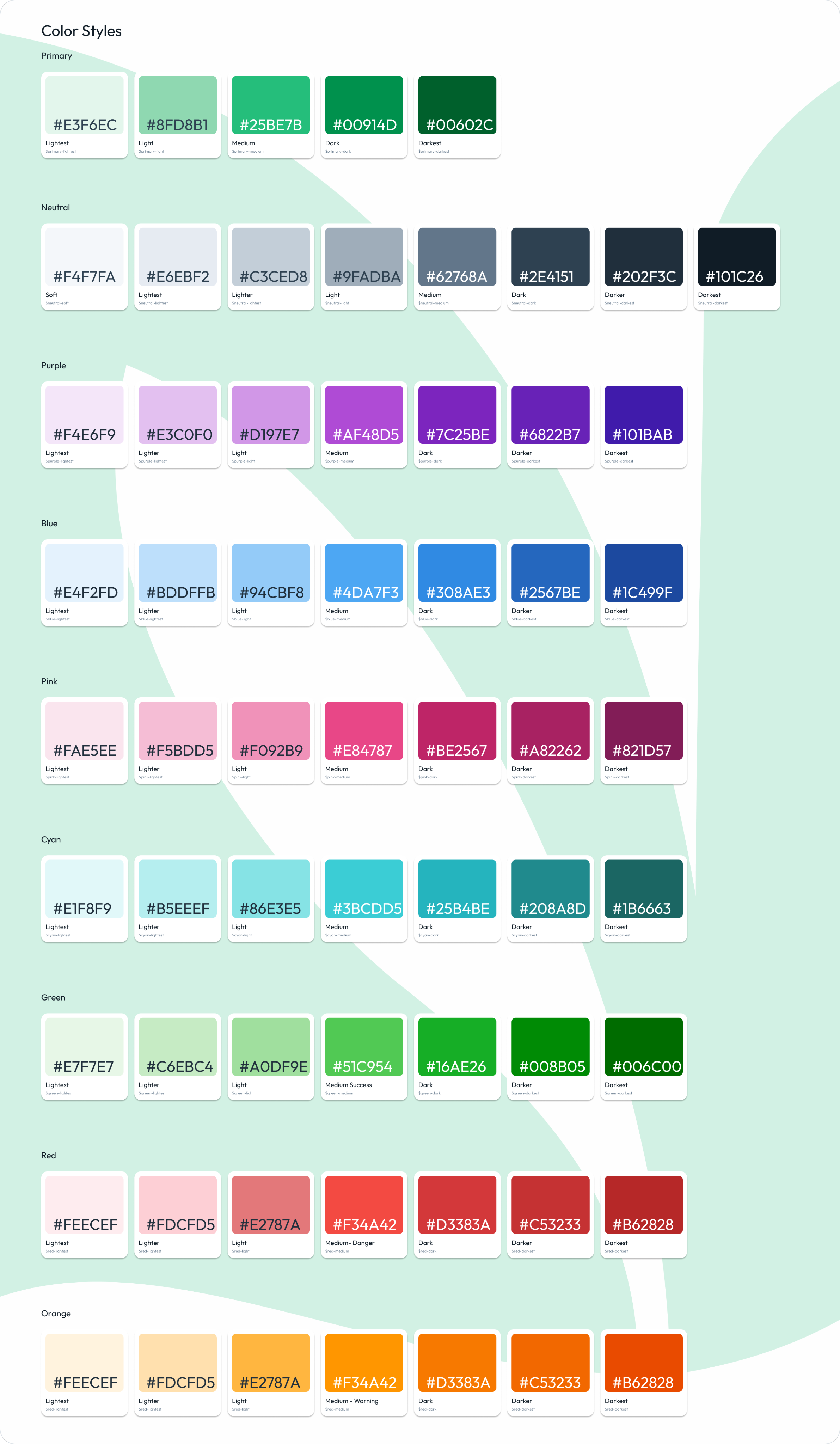
The style guide was created to convey lightness, clarity, and warmth. The color palette, typography, and visual elements reinforce a calm and trustworthy experience, avoiding any sense of pressure or rigidity common in diet apps. In addition to the emotional aspect, the guide plays a crucial role in standardizing the product, ensuring visual consistency, predictability of use, and scalability of design as new features are added to the app.
Conclusion
The development of Nutrir.io reinforced that the biggest challenge in digital nutrition is not information, but daily execution. By focusing on planning, clarity, and flexibility, it was possible to create a more human experience that aligns with users' real routines. The project highlighted the importance of reducing cognitive load, using non-judgmental language, and treating consistency as an ongoing process, not as perfection.
JULIO UX
Product Designer | UX/UI Designer
Navigation
Home
Contact
Case studies
Toll validation system
Jornada UX
Nutrir.io
Social media
© 2025 – Júlio Costa